What Are the Key Requirements for 50-Year Building Recertification in Miami-Dade County?
Buildings age just like people. Walls settle, wires wear out, and small issues can grow if ignored. In Miami-Dade County, safety stays front and center, so older buildings must pass strict checks. Property owners need to meet 50-year building recertification in Miami-Dade County to keep structures safe and compliant. This process may sound heavy, yet with the right team, it feels clear and manageable.
Why 50-Year Recertification Matters?
Every building must stand strong for the long run. Miami-Dade County created this rule to protect people, property, and peace of mind. At 50 years, a building must prove it is still safe for use. After the first review, recertification repeats every 10 years.
So, what does this mean for owners? It means a licensed expert must check the building’s structure and electrical systems. If issues show up, repairs must follow within a set time frame.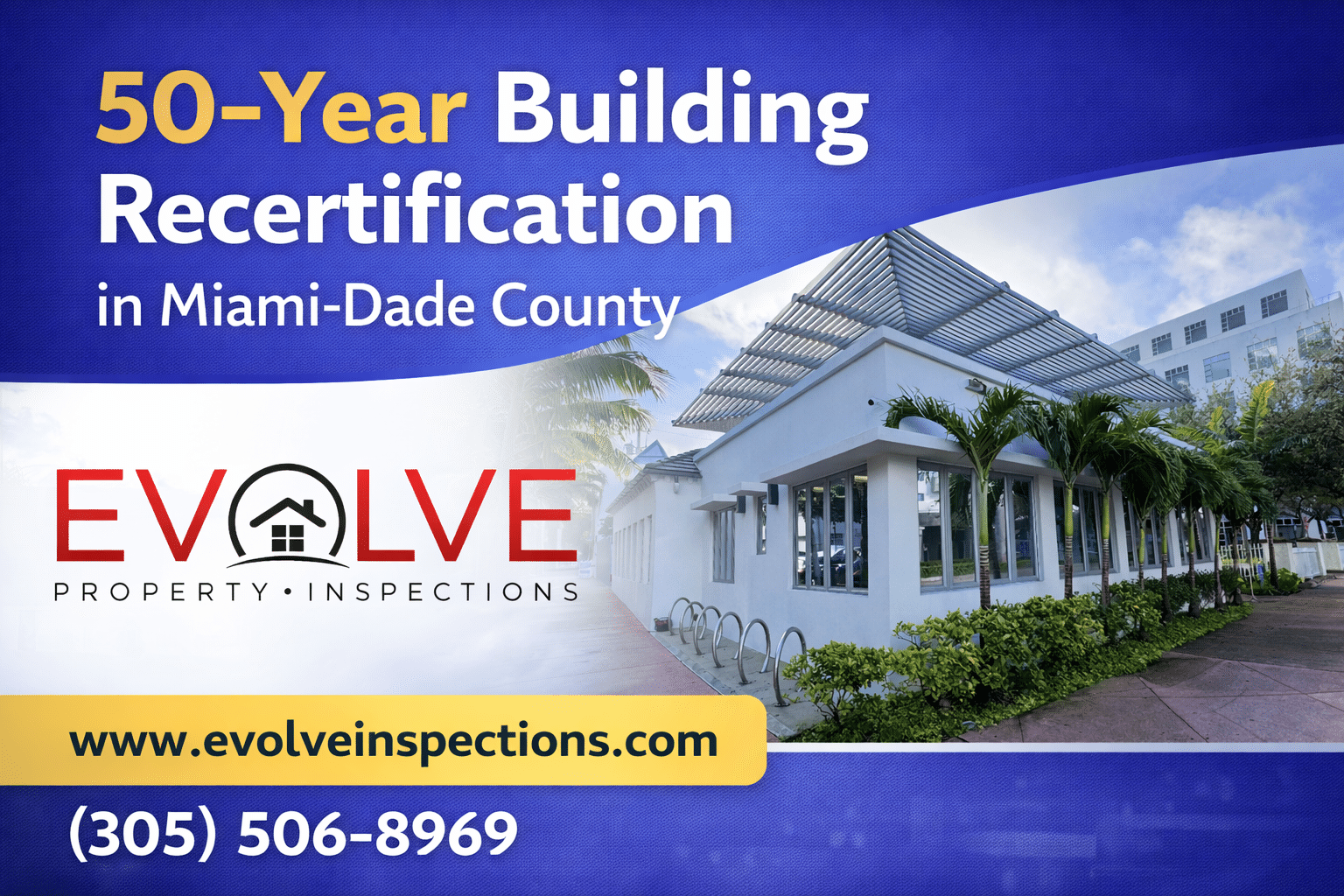
Core Requirements You Need to Know
The process is not guesswork. It follows clear steps and guidelines. Here are the key requirements:
- Structural Inspection
A licensed Inspector reviews the building frame, foundation, balconies, and load-bearing parts. Cracks, rust, and water damage get close attention. Safety comes first, so even minor defects matter. - Electrical Inspection
A qualified expert checks wiring, panels, grounding, and load capacity. Old systems can pose risks, so upgrades may be required. - Detailed Report Submission
After inspections, inspectors prepare a formal report. This document explains the building’s condition and lists needed repairs. - Compliance Timeline
Owners must submit reports within the deadline given by the county. If repairs are required, they must be completed within the approved time. - Follow-Up Certification
Once repairs are done, the engineer confirms compliance. This final step keeps the building in good standing.
Understanding the Inspection Process
The inspection process may seem complex at first glance. Still, it follows a logical flow.
First, a professional team conducts a full site visit. They check visible areas and assess hidden risks. Then, they document findings with photos and notes. Next, they evaluate structural and electrical safety.
After the review, engineers prepare a sealed report. Evolve Property Inspections ensures sealed reports are issued by licensed Florida Professional Engineers working with the firm. This step gives the report legal weight and credibility.
If repairs are needed, the team can guide next steps. Once fixes are complete, a final sign-off wraps up the process.
Why Work with Evolve Property Inspections
Evolve Property Inspections brings skill, clarity, and a compliance-first mindset to every project. The company is led by Humberto Suarez, a highly qualified expert with strong credentials:
- Certified Master Inspector
- CCPIA Certified Commercial Property Inspector
- Electrical Thermography Level II and Level II
- Licensed Florida Home Inspector
- Licensed Mold Assessor
- Licensed Mold Remediator
This wide skill set helps the team spot issues others may miss. From structure to wiring to moisture concerns, every angle gets covered.
What Sets In-House Engineering Apart?
Some firms outsource engineering work. That can slow things down and create gaps in communication. Evolve Property Inspections offers 50-year in-house engineering building recertification, which keeps everything under one roof.
Here’s why this matters:
- Faster turnaround times
- Clear communication between inspectors and engineers
- Consistent quality across all reports
- Better coordination during repairs
This approach helps owners move through the process with less stress and fewer delays.
Common Challenges Property Owners Face
Recertification is not just a checklist. It can bring a few hurdles along the way.
- Hidden Damage: Water intrusion or corrosion may not show right away. Inspections can uncover issues that need urgent care.
- Budget Concerns: Repairs can add costs. Planning ahead helps avoid last-minute surprises.
- Tight Deadlines: The county sets strict timelines. Missing deadlines can lead to penalties or safety notices.
Working with a skilled team helps manage these challenges with ease.
How to Prepare for Recertification?
Preparation makes everything smoother. A little planning goes a long way.
Start by gathering building records. These include past inspection reports, repair logs, and construction details. Next, schedule an inspection early. Waiting too long can create pressure.
Also, fix small issues before the inspection. Simple repairs can improve results and reduce follow-up work.
Most importantly, partner with experts who understand local codes and compliance rules.
A Smarter Approach to Compliance
Recertification is not just about passing a test. It is about keeping people safe and protecting your investment. With the right support, the process feels more like a smart check-up than a burden.
Evolve Property Inspections combines experience, technical skill, and a practical approach. 50-year in-house engineering building recertification with us ensures every step stays efficient and accurate.
Ready to Get Started?
If your building is nearing the 50-year mark, now is the time to act. Avoid last-minute stress and stay ahead of deadlines. Evolve Property Inspections offers clear guidance, detailed inspections, and sealed reports from licensed Florida Professional Engineers.
Reach out today and take the first step toward smooth, stress-free recertification. Your building deserves expert care and full compliance.
FAQs
- What is a 50-year building recertification in Miami-Dade County?
Ans: It is a mandatory process for buildings reaching 50 years of age. A licensed engineer must inspect structural and electrical systems. The goal is to confirm safety and compliance with county rules. After approval, recertification continues every 10 years. - Who can perform the inspection and issue reports?
Ans: Licensed Florida Professional Engineers handle structural evaluations. Electrical inspections may involve qualified engineers or electricians. At Evolve Property Inspections, sealed reports are issued by licensed engineers working with the firm, ensuring accuracy and compliance with local standards. - What happens if my building fails the inspection?
Ans: Failure does not mean the building is unsafe for use right away. It means repairs are required. The engineer will list issues in the report. Owners must complete repairs within the given timeline and submit proof for final approval. - How long does the recertification process take?
Ans: The timeline depends on building size, condition, and repair needs. Initial inspections and reports can take a few weeks. If repairs are needed, the process may extend. Early planning and in-house engineering support help speed things up. - Why choose in-house engineering for recertification?
Ans: In-house engineering keeps inspections and reporting under one team. This improves communication and reduces delays. It also ensures consistent quality. Evolve Property Inspections uses this approach to deliver efficient and reliable recertification services.