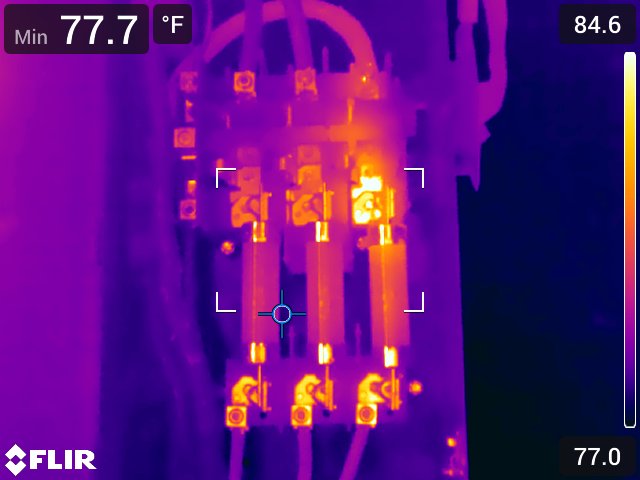
Commercial buildings stay busy all day. Lights stay on. Machines keep running. People come and go nonstop. Because of this, problems can grow quietly in the background. Most of the time, you do not see them until something fails. That is exactly why infrared inspections matter.
Infrared thermography inspection services help uncover issues hiding behind walls, panels, and ceilings. Instead of guessing, building owners get real answers. And honestly, that makes a big difference.
Infrared inspections use thermal imaging cameras. These cameras read heat patterns across building systems. They show hot and cold spots that normal inspections cannot catch.
Heat usually tells a story. A loose wire heats up. Overloaded circuits run hotter than normal. Moisture changes surface temperatures too.
Because infrared inspections are non invasive, nothing gets opened or damaged. Systems stay on. Businesses keep running. That makes this method a smart fit for commercial spaces.
Commercial buildings depend on heavy systems every single day. Electrical panels. HVAC units. Data rooms. Lighting grids.
Over time, stress builds up. Even buildings that look fine can hide serious risks.
Infrared inspections catch early warning signs. That means fewer emergency repairs later. It also means less downtime and lower long term costs.
On top of that, insurance providers often value thermal inspection reports. Some policies even require them. So yes, infrared inspections can also support compliance needs.
Office buildings rely heavily on power. Computers. Servers. Printers. Climate control systems. Everything pulls electricity all day long.
One small electrical issue can snowball fast. Suddenly, floors go dark or systems shut down.
Infrared inspections help spot overheating breakers and stressed wiring early. They also flag uneven electrical loads that can shorten equipment life.
As a result, office managers stay ahead of problems. Employees stay safe. Productivity stays steady.
Warehouses are built for work. Large open spaces. Heavy equipment. High power demand.
Forklifts, conveyors, and industrial lighting push electrical systems hard. Over time, connections loosen and components wear down.
Infrared inspections help find these weak spots before failure happens. Inspectors can scan panels, transformers, and distribution points without shutting anything off.
Warehouses also deal with moisture. Roof leaks and humidity can damage wiring and insulation. Thermal imaging helps locate moisture fast without tearing walls apart.
Retail spaces depend on smooth operations. Registers must work. Lights must stay bright. Climate control must feel right.
Electrical problems disrupt sales. They also frustrate customers.
Infrared inspections help prevent unexpected shutdowns. They identify overheating wires behind walls or above ceilings where issues often hide.
Retail owners also benefit during remodels or expansions. Thermal scans confirm systems can handle added electrical demand. That keeps everything running smoothly after upgrades.
Electrical failures remain a top cause of commercial fires. Most fires start small. A loose connection. An overloaded breaker. Excess heat builds slowly.
An Infrared thermography electrical inspection in Miami helps lower that risk. It shows where electrical components operate outside safe temperature ranges.
This matters even more in older buildings. Aging systems struggle to meet modern power needs. Thermal imaging highlights these trouble spots clearly.
With this data, repairs can be prioritized. That keeps buildings safer and reduces fire risk.
Timing plays a big role. Many property owners schedule infrared inspections once a year.
Others do it before insurance renewals. Some schedule inspections after major electrical upgrades.
Hot seasons are another smart time. Systems work harder in warm weather. That makes heat related issues easier to detect.
For high use facilities, more frequent inspections may be recommended. It depends on system load and building size.
Small fixes cost less than major failures. That is just common sense.
Infrared inspections catch problems early. Loose connections get tightened. Overloaded circuits get balanced.
Because systems stay live during inspections, businesses avoid shutdowns. That alone saves money.
Over time, this proactive approach extends equipment life. It also helps property owners plan maintenance budgets instead of reacting to emergencies.
Safety standards matter more than ever. Electrical compliance is a big part of that.
Infrared inspections support safety programs. They provide documented proof of system condition.
These reports help during audits, insurance reviews, and risk assessments. They also show a commitment to responsible building management.
For commercial properties, that credibility matters.
Thermal imaging requires training and skill. Reading heat patterns correctly takes experience.
Certified inspectors know how to interpret results accurately. They understand what needs immediate attention and what can be monitored.
Clear reports lead to smarter decisions. That protects buildings, equipment, and people.
Infrared inspections shine a light on hidden problems. They reveal risks standard inspections often miss.
For office buildings, warehouses, and retail spaces, this technology offers clarity and control.
It reduces downtime. It improves safety. It protects long term investments.
When used regularly, infrared inspections become a key part of smart property management.
Reach out to Evolve Property Inspections and take the smart step toward safer building operations.
Q. Do infrared inspections interrupt daily operations?
Ans: No. Systems remain on during the inspection.
Q. How long does an infrared inspection take?
Ans: Most take a few hours, depending on building size.
Q. Can infrared inspections find moisture problems?
Ans: Yes. Thermal imaging helps locate leaks and moisture intrusion.
Q. Are infrared inspections only for electrical systems?
Ans: No. They also identify insulation gaps and HVAC issues.
Q. Will I receive a detailed report?
Ans: Yes. Reports include findings, images, and recommendations.
If your property needs reliable Infrared thermography inspection services, choosing experienced professionals makes all the difference.
Contact Evolve Property Inspections today to schedule a detailed infrared inspection and uncover hidden risks before they grow.
Buildings age just like people. Walls crack. Wires wear out. Pipes rust. Roofs take a…
Commercial roof systems take a beating over time. Heat, rain, and constant wind exposure all…
Commercial properties in South Florida face a very real challenge. Strong winds, tropical storms, and…
High-load electrical systems work hard every single day. They power large buildings, support critical operations,…
Buying a home feels exciting on the surface. Fresh paint, clean floors, and staged rooms…
Electrical systems usually do not fail out of the blue. Problems build up quietly over…